



Moth Quantum: Actias - A Quantum Synthesizer .
- WebSockets
- Web App
- Performance



The client.
MOTH is an arts, media, and entertainment company creating products powered by emerging quantum computing technologies.
The brief.
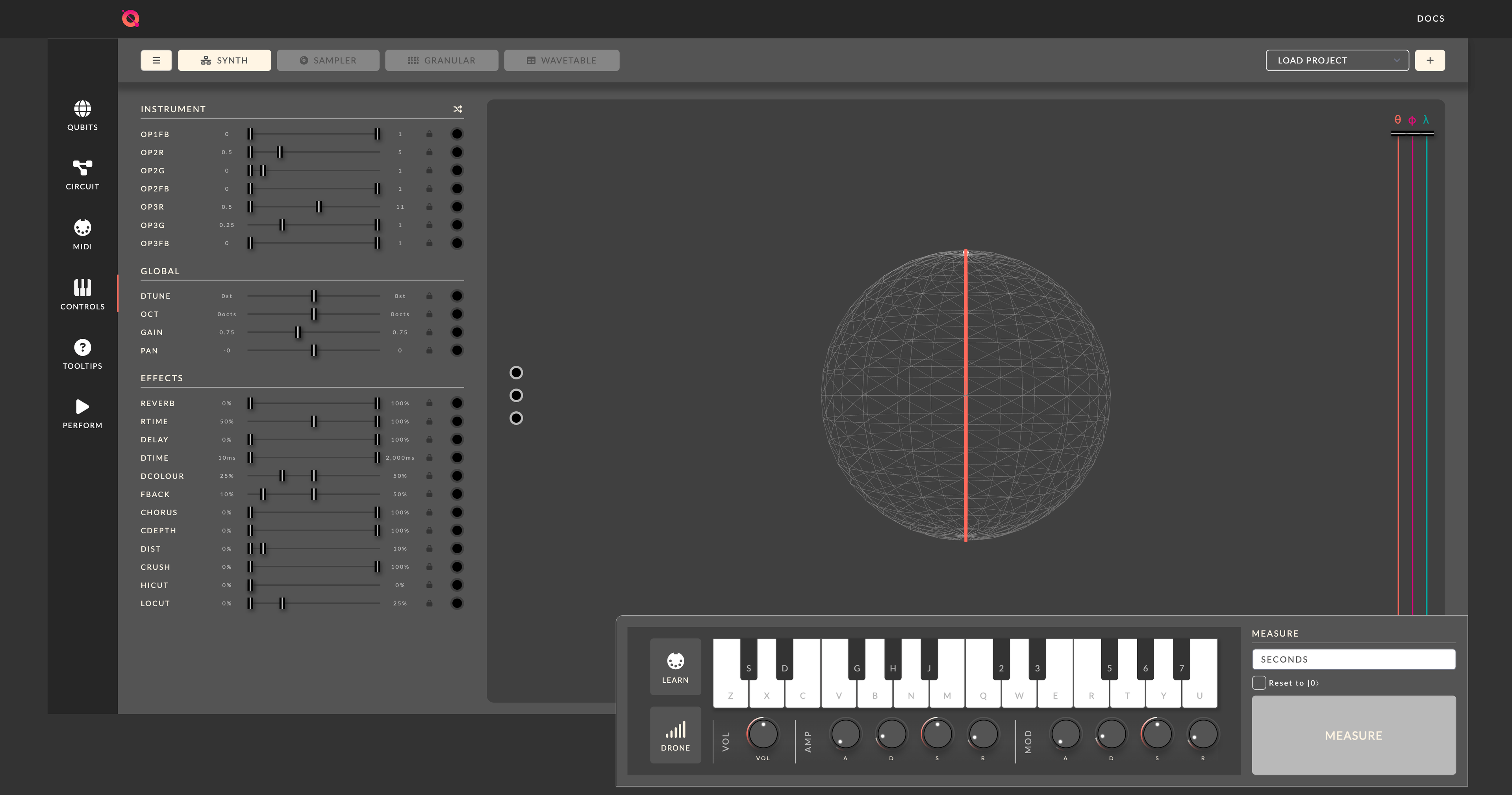
MOTH approached us with a prototype developed at the University of Plymouth: a quantum-inspired musical instrument known as the Q1 Synth. The instrument reimagines the qubit - the smallest unit of information in a quantum computer - as a three-dimensional controller. Musical parameters are mapped to each axis, allowing performers to explore complex sonic textures by rotating the qubit in space.
The brief was to evolve this experimental prototype into a production-ready, enterprise-level product that performed equally well in the browser and as a desktop application. This included the integration of a wide range of advanced features, while preserving the instrument’s intuitive nature and ensuring it remained accessible to both specialists and non-specialists.
The approach.
The Actias Quantum Synth is an innovative software synthesizer that draws on the principles of quantum mechanics to revolutionise approaches to sound design. With the Actias Synth, users can explore new ways of composing music, thanks to the use of quantum-inspired algorithms.
The Actias Synth is a dual web and desktop application built using Svelte and Electron. Sound is generated using a synthesis engine built in WebAssembly for the Web Audio API. Some notable features include being able to network the instrument with other users anywhere in the world (using a custom web socket server built by Lunar), and the ability to run custom quantum circuits on real hardware using the IBMQ API.
We began the project with a series of discovery sessions involving a broad range of stakeholders, including members of the MOTH team, academics from the University of Plymouth, and computer musicians. These sessions informed the creation of a technical specification that captured all required functionality.
Design and development then proceeded in parallel. While visual designs were being developed, we addressed the underlying architectural challenges to ensure a robust foundation for the system. Following several rounds of feedback, the visual designs were approved and the user interface was implemented on top of the established architecture.
Adopting a web-first approach allowed the client to view progress continuously via a staging site as new features were introduced. Weekly review calls provided an opportunity to demonstrate the previous week’s work, gather feedback, and agree priorities for the week ahead.
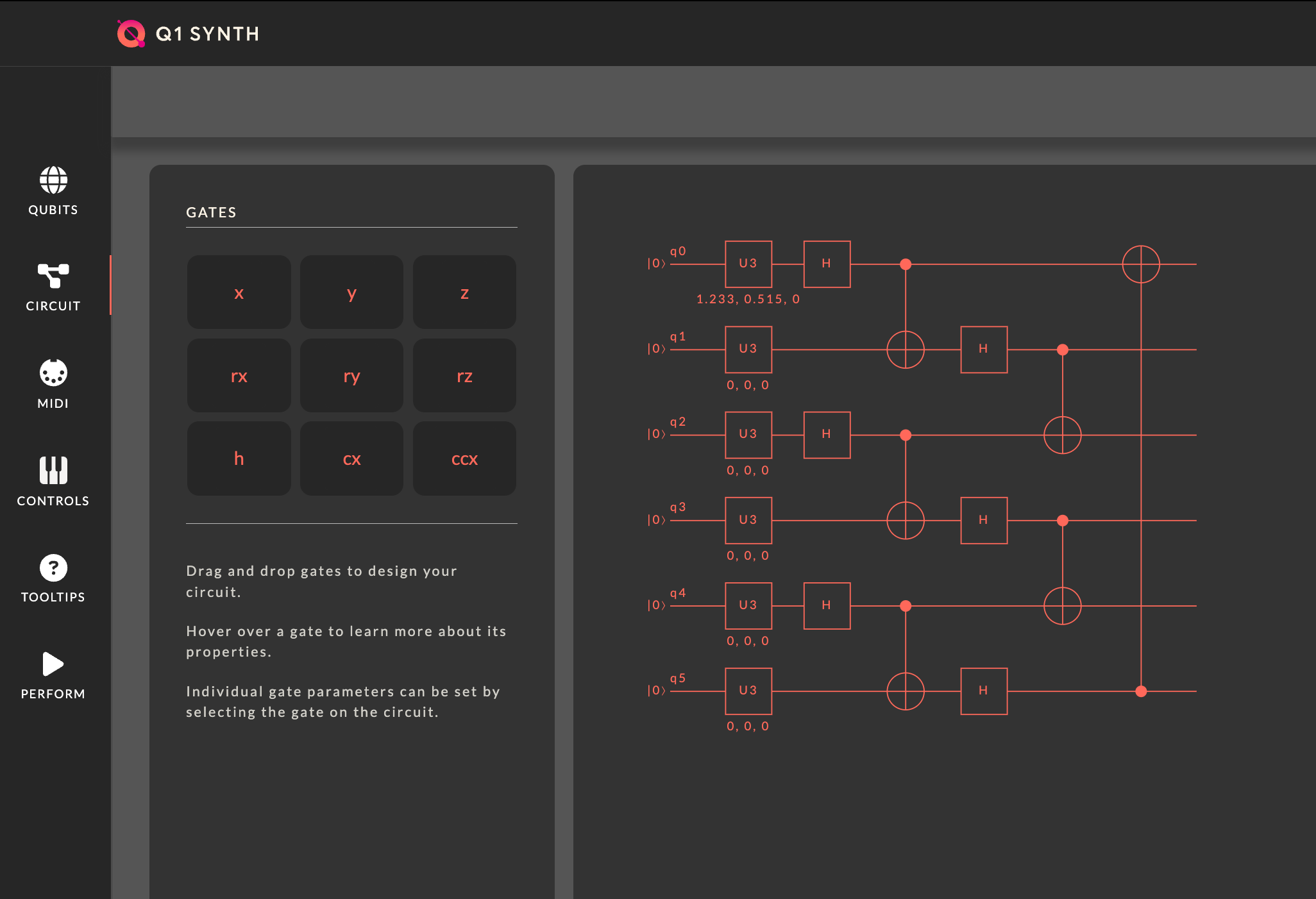
The Q1 Synth is a dual web and desktop application built using Svelte and Electron. Sound is generated using a synthesis engine built in WebAssembly for the Web Audio API.
Technologies.
Svelte / Svelte Kit
Laravel / Laravel Reverb
RNBO / WebAssembly
Web Audio API
IBM Quantum API
p5.js
The result.
Lunar helped transform MOTH’s experimental Actias prototype into a robust, production-ready quantum-inspired synthesizer that performs seamlessly in both web and desktop environments.
The final product preserved the instrument’s intuitive controls and expressive potential while introducing enterprise-grade reliability and advanced features — including real-time networking and the ability to run custom quantum circuits via the IBMQ API. The dual Svelte/Electron implementation and custom WebAssembly audio engine delivered high-performance sound generation and cross-platform consistency, making Actias accessible to both specialists and general users.
By evolving an academic prototype into a fully supported application, Lunar enabled MOTH to take a quantum-powered creative tool further toward broad adoption and real-world use, strengthening its position at the intersection of cutting-edge technology and artistic expression.
Delivered a production-ready quantum synthesiser, evolving Actias from experimental prototype into a stable, usable tool
Preserved the instrument’s expressive, exploratory nature while significantly improving performance and reliability
Enabled real-time interaction and collaboration, supporting live use and networked experimentation
Made complex quantum concepts accessible through intuitive controls and sound design, broadening the potential audience
Created a cross-platform application that runs consistently across web and desktop environments
Positioned Actias as a credible example of quantum technology applied to creative practice, bridging research and real-world use